
1. Make them the main character
This is the most powerful — and least known — technique. A child who SEES THEMSELVES in a book reads spontaneously. It's no longer a chore — it's THEIR story. Personalized books tap into exactly this mechanism: the child is the hero, their face is in the illustrations, their name is in the text. Parents who write to us almost all say the same thing: "They didn't like reading before. Now they ask for their book every single night."
2. Establish a 15-minute ritual
Not an hour. Not "when we have time." Fifteen minutes. Every evening. At the same time (before bed works best). The child's brain gradually associates this moment with pleasure, calm, and parental attention. After 3 weeks, they'll ask for it. After 3 months, it's a habit for life.
3. NEVER choose the book for them
Forcing a child to read a book chosen by an adult is the surest way to kill their desire to read. Take them to the library, the bookstore, or let them choose their theme on Storykido. The "not great" book they chose themselves is worth more than the masterpiece they'll never open.
4. Read in front of them (without saying a word)
Children imitate. If reading is something adults do naturally — a book, a magazine, a Kindle — the child eventually sees it as a desirable activity. No need for speeches about the importance of reading. Just lead by example. Silently.
5. Embrace every format without guilt
Comics, manga, audiobooks, interactive books, graphic novels, magazines — every format counts. A child who devours comics is reading. A child who listens to audio stories is building vocabulary and imagination. What matters is contact with stories, not the shape of the book.
6. Turn reading into a game
"What do you think is going to happen?" "If you were in their place, what would you do?" "Did you spot the hidden detail in the picture?" Reading becomes a game when you ask open-ended questions. The child is no longer passive — they think, imagine, debate. And they want to keep going to test their theories.
7. Create an irresistible reading nook
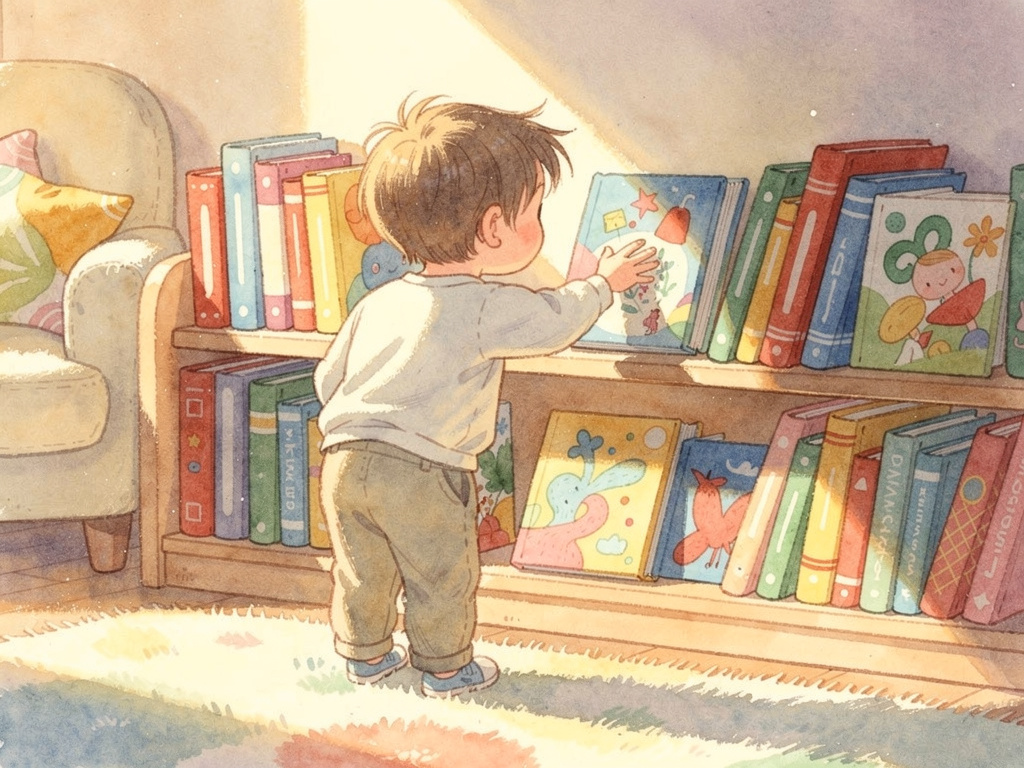
It doesn't take much: a corner of the couch with cushions, a small warm lamp, a bookshelf at their height with books facing outward (not spine-out). The physical environment sends a message: "This place is made for you, for your enjoyment."

8. Celebrate every finished book
A finished book is a victory. No material reward needed — a sincere "You finished the whole book? Amazing!" is enough. Some parents keep a "reading journal" with their child: title, date, star rating, favorite illustration. The child can see their progress and feels proud of it.
Ready to create a unique book for your child?
Upload a photo, choose a theme and get a personalized book in minutes.
Create a book